
Table of Contents
Essential Tips for Winter Car Maintenance
The season’s winter charm disappears when your vehicle fails to start during icy weather while fog builds on your windows and complete lockup occurs. Wintertime climate conditions present strong obstacles for your vehicle, therefore requiring necessary annual preparation for vehicles during these months. The following professional guidelines will help you maintain your car in optimal condition throughout winter.
Inspecting the Battery in Cold Weather
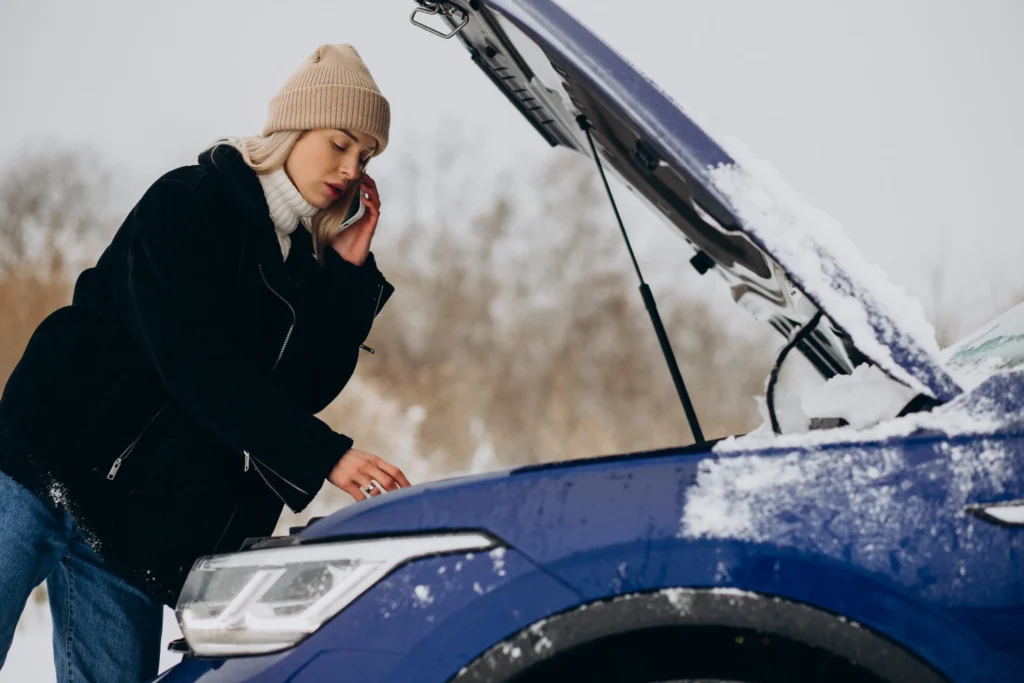
The low-temperature environment operates as the absolute enemy for automotive batteries. The duration of chemical processes inside shortens by up to 50%, which reduces cranking power. Perform testing on your battery charge when its age reaches more than three years since it was manufactured. You should clean away corrosion from terminals before dressing the cable connections. During the summer a weak battery could manage to work but winter conditions will cause it to fail, making it the leading cause of vehicle breakdowns.
Checking and Changing Engine Oil
The change in thickness caused by cool temperatures results in increased engine wear during startup. Switching your vehicle to low-viscosity oil rated for winter use (5W-30) allows your engine to distribute oil more quickly and work with better performance. Refer to the owner’s manual to find out which oil type is best for winter operations.
Tire Pressure and Winter Tire Swap
Pressures need adjustment along with tire replacement between regular wheels during winter seasons.
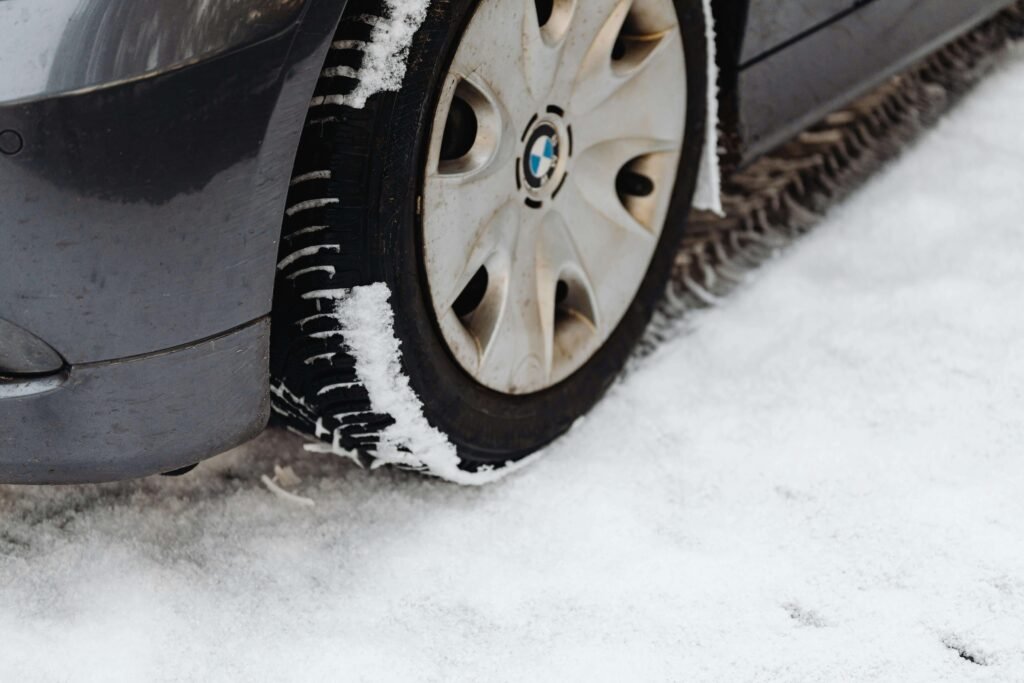
A change of temperature causes tire pressure to decrease at a rate of 1 PSI for every 10 degrees Fahrenheit drop. The traction control of vehicles suffers when tires are under-inflated, while wear and fuel efficiency deteriorate at the same time. Check pressure weekly. The adoption of winter tires represents a better solution than regular winter driving. Navigation through winter weather becomes secure with winter tires due to their soft rubber and unique tread design, which exceeds all-season tires in road grip on ice and snow.
Brake Performance in Cold Conditions
Winter means longer braking distances. Your brake system must receive an inspection for pads together with rotors and fluid components. Your brakes will operate more effectively during snowy conditions if you check for signs that water from snow and salt is causing braking element corrosion or damage to friction pads. Irrational noises such as squeaking or grinding from your vehicle call for immediate professional inspection.
Refill and Check Antifreeze/Coolant
Antifreeze performs dual functions by protecting engine areas but also maintains the safety of both the radiator and heater core from freezing. A basic tester enables you to determine your coolant’s freeze point and you should add more coolant if needed. Professionals use antifreeze with a standard 50/50 ratio to water yet extreme temperatures require different antifreeze ratios.
Windshield Washer Fluid and Wiper Blades
Summer washer fluid becomes inadequate in temperatures that hit the freezing point. Use winter fluid that functions as an antifreeze agent. Succinct yet clear visibility demands new wiper blades and you should buy specific winter blades to stop ice accumulation.
Keeping the Fuel Tank Full
A complete tank reduces both air volume and moisture accumulation inside, which prevents freezing of fuel lines. The full tank ensures your vehicle maintains adequate gas reserves in case emergency situations or being stranded require engine idling.
Prepping the Heating and Defrost System
Driving with a fogged windshield becomes miserable when you lack sufficient heating for defrosting it. A full working inspection of your heater alongside your defrost system should be completed. The cleaning process also includes an evaluation of vent smells and a probe of airflow strength.
Check and Protect Exterior Lights
Your effective driving visibility drastically decreases under snowy or foggy conditions; therefore, you need complete brightness from your headlights. Use a brush or cloth to remove all ice as well as snow and salt congregations from both headlights and taillights. The application of water-repellent polish to headlights leads to enhanced lighting during times when slush surrounds the vehicle.
Cleaning and Treating Car Locks
Frozen locks have worse issues than mere inconvenience because they prevent you from being able to move your car. Add silicone-based lubricant together with lock de-icer when trying to stop freezing. The application of water-based products should be avoided because they will make matters worse when temperatures reach sub-zero levels.
Underbody and Chassis Protection
Road salt operates as a factor that speeds up rust formation. Drivers should apply an underbody sealant or rust inhibitor to their vehicles before the arrival of the first snowfall. Regular undercarriage washings stand as an alternative to prevent corrosive build-up, which protects your frame.
Door Seals and Rubber Gasket Care
The rubber sealing material that surrounds doors shows high vulnerability to cold, freezing conditions. Use silicone-based conditioner as protection against freezing. The silicone leaf keeps rubber flexible and resistant to water, which prevents doors from becoming stuck due to freezing.
Check Transmission and Brake Fluids
Your car systems endure excess pressure from driving during wintertime. Look for proper transmission and brake fluid levels. Your manual contains recommended winter-grade fluid options, which become necessary due to temperature impact on fluid viscosity.
Avoiding Frozen Fuel Lines
The presence of moisture inside your gas tank will cause blockages that could affect your fuel lines. A fuel tank should maintain a minimum of 50% capacity to minimize the chances of frozen fuel lines. People in areas prone to repetitive deep freeze conditions should specifically use fuel-line antifreeze products.
Warm-Up Myths and Realities
It is unwise to permit your vehicle to remain idle for 20 consecutive minutes. Wasteful. Modern automobile engines require only a thirty-second warming period before operation works correctly. The initial driving period should be performed with gentle acceleration. Going for a short drive with gentle acceleration proves more effective for car heater activation while also saving unnecessary gas usage.
Frozen Windshield Wiper Fixes
Never try to manually remove wipers that have frozen onto your windshield. The process of tearing rubber or harming the motor system presents itself in this situation. You should heat your windshield only with your defroster but avoid using excessively hot water when pouring water onto your windshield.
Dashboard Warning Light Awareness
Avoiding dismissal of any warning light displays particular importance during the winter season. Igniting your vehicle without investigating the check engine light may lead to either sensor problems from low temperatures or critical engine faults. The low tire pressure indicator often triggers in cold weather, thus requiring immediate attention to maintain safe traction control.
Final Winter Vehicle Checklist
Before the first snowfall:
- Switch to winter tires
- Both washer fluid and antifreeze containers need to be checked for adequate levels.
- An inspection of both the battery and the charging system must take place.
- Lubricate locks and door seals
- Stock up on winter emergency supplies
- It is important to examine every light in the vehicle, followed by replacing defective bulbs.
- Verify heater and defroster functionality
- Check brakes, fluids, and belts.