

Table of Contents
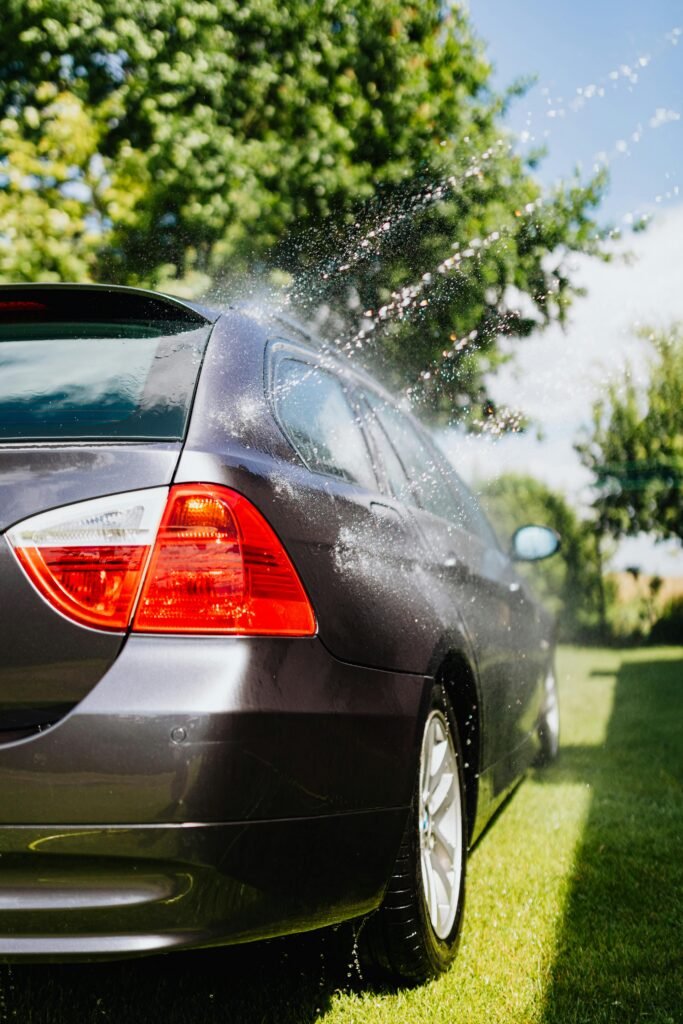
DIY Car Wash
Doing your own vehicle washing avoids the high costs of professional car washes and prevents damage that may come from brush washers. The combination of proper equipment with the correct cleaning methods, coupled with some dedication, will let you accomplish commercial-quality cleaning from your own pavement. The comprehensive DIY guide provides all necessary information about car cleaning and finish preservation through proper step-by-step procedures.

Why Choose a DIY Car Wash?
A home-based car wash provides financial advantages alongside complete management of the car washing process. The control given to you by DIY car washing methods lets you select what products to use and what cleaning techniques and timing fit your needs, thus preventing any damage that might come from chemicals or unclean brushes. Motor vehicle washing through DIY methods helps build vehicle-related bonds and allows drivers to achieve excellent results for their vehicle appearance.
Preparation
Pick the Right Spot
The shade provides the best location for washing your automobile. The combination of sunlight and soapy water leads to rapid evaporation, which produces spots and streaks on your car. Selecting grass or gravel ground instead of concrete serves to prevent drainage runoff from reaching stormwaters.
Gather Your Gear
The following list includes all essential tools for performing a complete DIY car wash:
- The three necessary buckets should consist of one for body soap, another for wheel soap and the last for rinsing only.
- The ideal solution for car washing is pH-balanced car wash soap because dish soap remains completely unacceptable.
- Microfiber wash mitts and towels
- A wheel and tire brush made of soft bristles forms part of the essential car washing tools.
- The best tool for cleaning your vehicle is either a hose or a pressure washer while maintaining a pressure setting between 1,200 and 1,900 PSI.
- The routing of dirt through buckets happens with grit guards installed on top of the water surface.
- Optional: foam gun, clay bar, spray wax, or water repellent for windows
Step-by-Step DIY Car Wash
Step 1: Start with the Wheels
Clean your car wheels first to minimize the spread of dirt that lies on the vehicle’s body parts. An exclusive cleaning bucket combined with a specified brush should be used for brake dust and dirt removal before complete water drainage.
Step 3: Two-Bucket Wash Method
Scratch prevention requires separation of washing solution between two buckets.
- Soapy bucket for your car wash solution.
- A clean bucket functions as the rinse option for mitt cleaning during the washing process.
First submerge your mitt in the soapy water, then clean lines of the vehicle surface with the mitt before rinsing it in the clean water and repeating the sequence.
The addition of grit guards to your washing buckets will prevent dirt from settling at the bottom.
Step 4: Work Top to Bottom
Start washing from the roof before proceeding towards the lower sections. The car washing order from top to bottom allows gravity to do its job and prevents contamination by having the mitt absorb lower dirt before exceeding it.
Step 5: Rinse Again
After washing, you should execute a complete top-to-bottom rinse since drying soap residue on the paint can occur.

Drying: Avoid Water Spots
- The correct drying of your car plays a crucial role in reducing the formation of water spots and surface streaks.
- Soft microfiber towels are the most suitable tool for dry cleaning purposes because they perform effectively while still being gentle.
- You should blot the surface rather than rubbing when starting at the top area.
- Silicone squeegees work efficiently for removing most water volume before towel drying car surfaces.
Add Protection and Shine
Waxing for Longevity
The protective coating function of wax protects your paint from damaging UV radiation and moisture while preventing dirt accumulation.
- Spread wax across the automobile’s surface using a foam pad by dividing it into regular portions.
- The haze that forms can be removed by using a new microfiber towel.
- Apply this protection treatment twice to thrice in a span of three months for continuous defense against UV rays and moisture.
Optional Finishing Touches
- Clay bar: serves to refine the vehicle’s surface by removing dirt particles in order to provide optimal results for waxing applications.
- Quick Detailer Spray: Great for in-between washes.
- Water-based lubricant makes glass surfaces water-resistant to ensure better visibility and rain bead formation.
DIY Car Wash Mistakes to Avoid
- Sun exposure makes soap dry out before rinsing, thus creating visible streaks on the car surface.
- One should avoid using dish soap because this agent both peels away vehicle wax and damages the paint finish.
- The incorrect practice of beginning with wheel cleaning produces the risk of dust propagation between cleaning sections.
- The use of one contaminated bucket increases the risk that paint will sustain scratches.
- Towel and sponge materials produce micro-abrasions through debris that remains inside them.

Wrap-Up
The real purpose of an accurate DIY car washing process extends beyond appearance because it serves to keep your car intact. The proper execution enables effective contaminant removal, which simultaneously shields your vehicle paint and ensures a better resale value. Using the right technique together with a short preparation period enables you to achieve high-quality vehicle shine and save both time and money.
Take out your sleeves, then acquire your buckets because your vehicle requires some much-needed care. A great end result will accompany the pleasure you experience while performing the process.